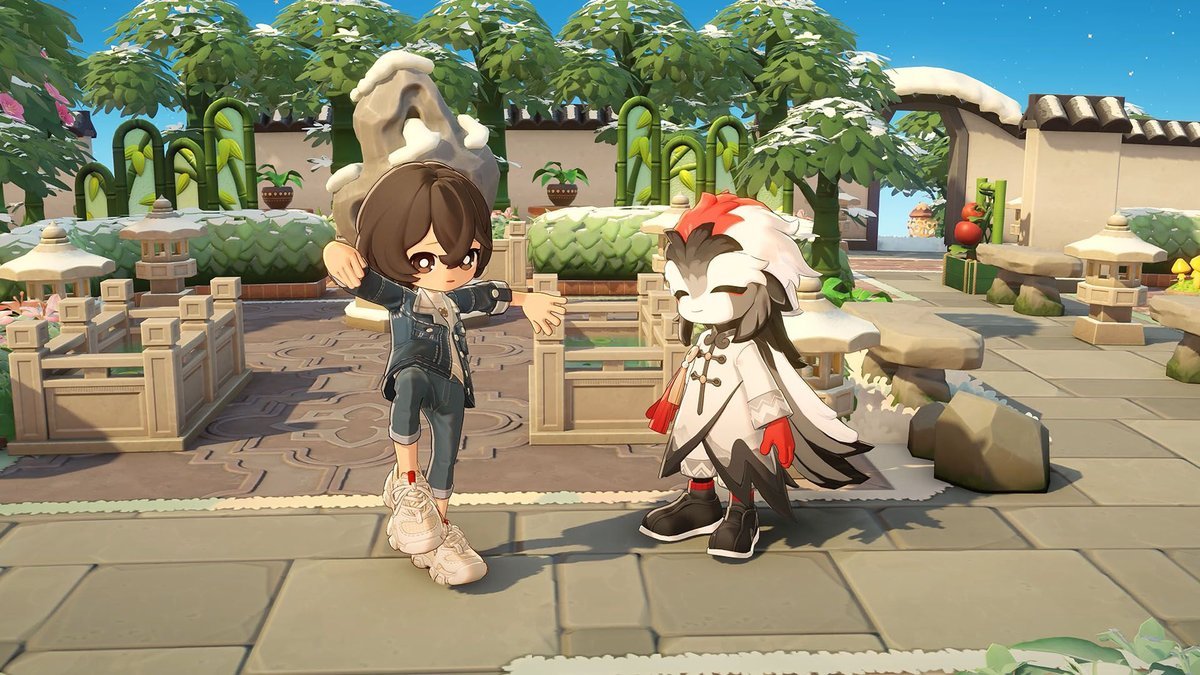
HoYoverse is stepping away from its action-game roots with Petit Planet, an upcoming life simulator that embraces the cozy genre while maintaining the studio's signature polish and depth. The game invites players to build and customize their own worlds, form friendships with a cast of unique characters, and engage in cooperative multiplayer activities—a marked departure from the developer's established formula.
The cozy life-sim genre has grown substantially in recent years, with titles like Animal Crossing, Stardew Valley, Rune Factory and The Sims each offering their own take on peaceful world-building and community interaction. Petit Planet aims to carve its own space within this landscape by combining extensive customization systems with HoYoverse's attention to detail and creative design.
Crafting Your Own World
At the heart of Petit Planet lies the Planetmaker mode, which grants players granular control over their environment. Rather than inheriting a fixed world, players can shape terrain from the ground up, choosing materials like granite roads or bricks and making adjustments at their own pace. A roller tool allows for broader landscape modifications, while finer details can be tweaked individually, giving players the freedom to build exactly what they envision.

Character customization extends beyond the world itself. Players can adjust their avatar's features, skin tone and overall appearance through a mix of preset options and mix-and-match components. Headwear, facial accessories, tops and bottoms can be combined to create distinctive looks, ranging from practical farmer outfits complete with straw hats and overalls to more whimsical options like crab heads and mushroom costumes. The variety encourages experimentation and personal expression without forcing players into a single aesthetic.
During a hands-on preview, the build showcased a pre-constructed world with established structures and neighboring characters, allowing for a glimpse at what a more developed planet looks like. Even in this advanced state, the customization systems remained accessible and intuitive, suggesting that both newcomers and experienced players will find depth in the creation tools.
Building Relationships with Neighbors
No life simulator functions without a compelling cast of characters, and Petit Planet delivers a diverse roster of neighbors. Early builds introduced characters such as Yunguo, described as adorable yet timid; Manna, who brings charisma to interactions; the laid-back Mobai; and the inquisitive Mors. A newer addition to the cast is Dorjelang, a character designed to resemble a cow, reflecting the game's willingness to embrace creative character design.
Each neighbor is developed as a distinct entity with their own personality and life trajectory. Rather than functioning as passive helpers or pets, these characters are designed to live autonomous lives within the player's world. They pursue their own activities and schedules, though players can interact with them through various means to deepen their bonds.
Relationships progress through a tiered system beginning with a seedling stage, advancing to budding and eventually blooming as players invest time in interactions. Shared meals and regular engagement strengthen these connections, encouraging players to prioritize social bonds. The Lead Designer, Murphy, emphasized that neighbors should be treated as friends deserving of respect rather than tools to be exploited, setting a tone of genuine companionship rather than transactional gameplay.
While some neighbors can be assigned to specific tasks to assist with chores, they will not handle all responsibilities for the player. This design choice maintains player agency and ensures that neighbors remain meaningful social elements rather than becoming replacements for active participation in world management.
Multiplayer and Social Hubs
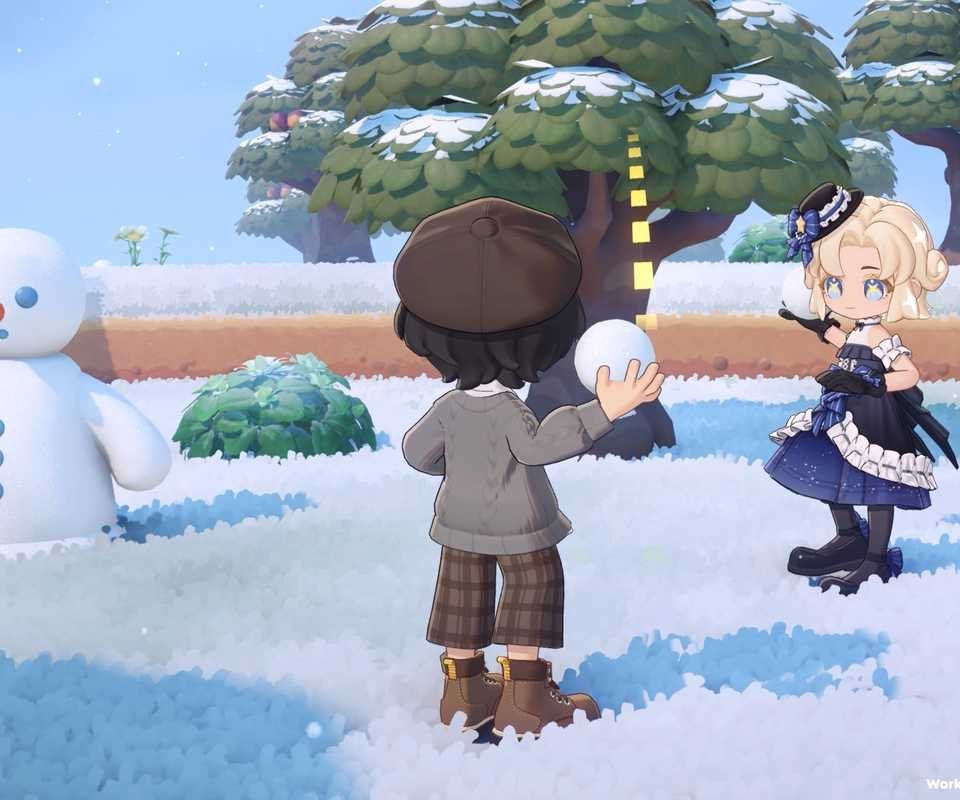
Petit Planet incorporates cooperative multiplayer functionality that mirrors the social design of games like Animal Crossing. Players can visit other worlds, interact through emotes and explore shared spaces together. While basic interactions like movement and gesture-based communication are available, the Bazaar serves as the primary hub for deeper cooperative engagement.
The Bazaar functions as a social gathering space where players can travel together and participate in mini-games. During the preview, a card game reminiscent of Uno and a rhythm-based activity were available, both offering enjoyable collaborative experiences. Given HoYoverse's track record with creative and engaging game design, the Bazaar appears positioned as a foundation for future seasonal events and limited-time content expansions.
The current mini-game selection felt somewhat limited during the hands-on session, suggesting room for expansion as the game develops. The developers appear committed to building out this social space with additional activities and experiences, making it a key area for post-launch support and seasonal updates.
Monetization and Free-to-Play Systems
As a free-to-play title from HoYoverse, Petit Planet incorporates gacha mechanics and seasonal progression systems, though specific details remain under wraps. The studio confirmed that character acquisition will not follow traditional gacha pulls, as doing so would undermine the core appeal of building genuine relationships with neighbors. Instead, the monetization model focuses on cosmetics and visual customization.
Multiple currency types can be earned through various activities, including exploration in the Grand Bazaar. These currencies can be exchanged for emotes, outfits and other cosmetic items, allowing players to personalize their experience without affecting core gameplay balance. A season-pass-like progression system and daily login rewards are also present, aligning with standard free-to-play conventions.
Beyond cosmetics, the game employs familiar free-to-play mechanics centered around resource management. Players gather materials by mining, harvesting trees, catching bugs and crafting items or meals. An energy system governs these activities, depleting with each action and regenerating over time or through food consumption. Expeditions with two NPC companions yield rarer materials, adding strategic depth to resource acquisition.
Release Timeline and Platform Availability
Petit Planet will launch on December 4 for mobile and PC platforms. The game will also come to Nintendo Switch 2, though that version carries a later release window of 2027, giving the studio additional time to optimize the experience for Nintendo's hardware. The staggered release strategy allows HoYoverse to establish the player base and refine systems on existing platforms before bringing the cozy life-sim to console audiences.