

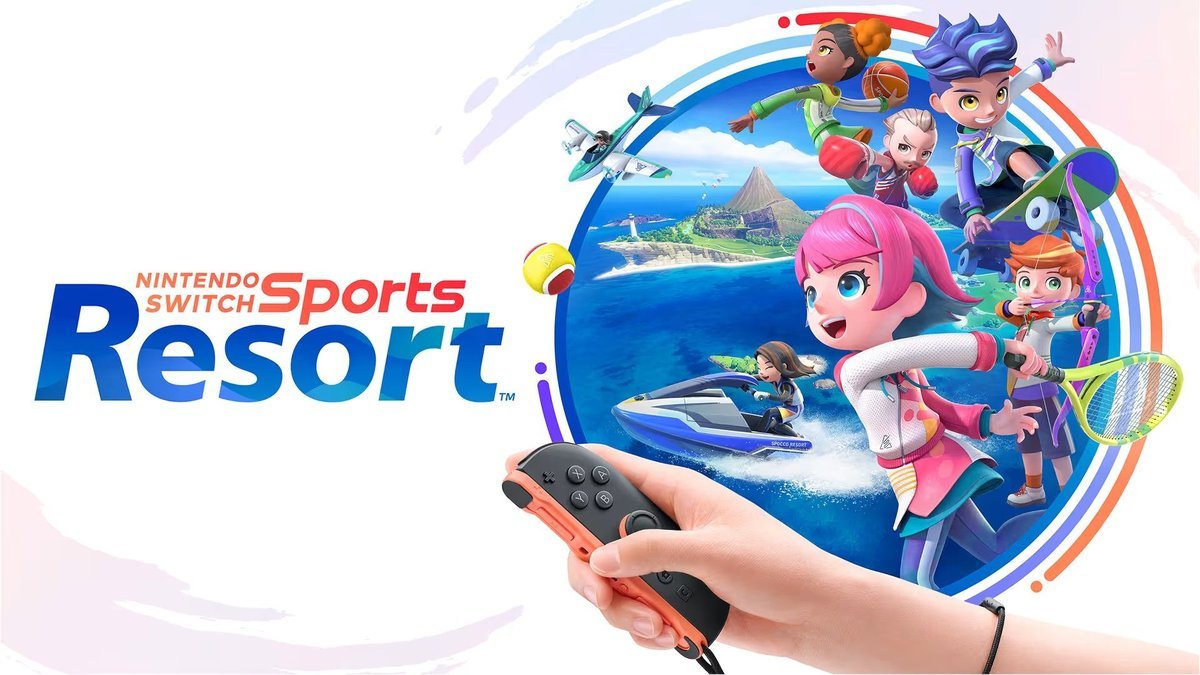
Nintendo Switch Sports Resort marks the latest instalment in the publisher's long-running motion-control sports series, which traces its roots back to the original Wii. This Switch 2 exclusive demonstrates how the new hardware's capabilities can enhance the familiar formula of simplified, gesture-based athletic competition.
A Diverse Collection of Motion-Controlled Sports
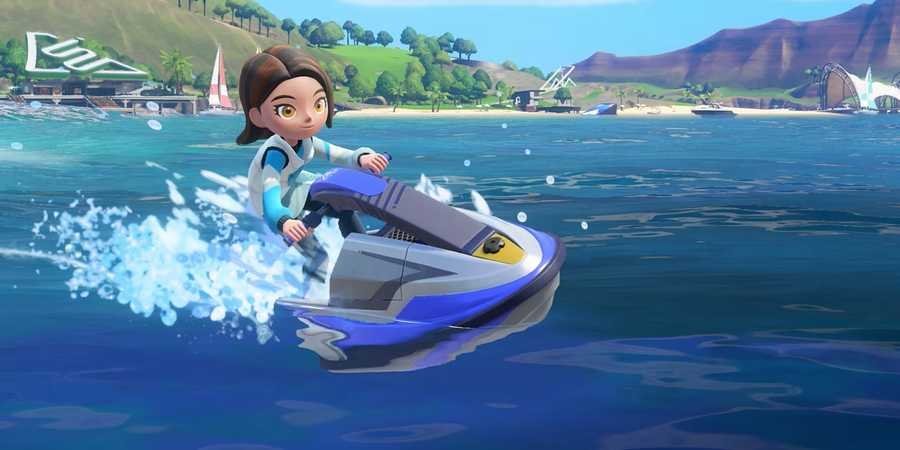
The game features 13 distinct sports adapted for motion controls. The roster includes Tennis, Bowling, Archery, Boxing, Volleyball, Table Tennis, Basketball, Golf, Thumb Wrestling, Prop Plane, Skateboarding, Power Cruising and Jump Rope. Jump Rope functions primarily as a warm-up activity rather than a full competitive sport. Three entries—Thumb Wrestling, Skateboarding and Jump Rope—are new to the series, while the others represent reimagined versions of sports from previous Nintendo sports collections, now supporting both Joy-Con and Joy-Con 2 controllers. Skateboarding particularly showcases the Switch 2's new mouse control scheme.
Each sport distils its real-world counterpart into a handful of key motions that players must mimic. Timing becomes the critical factor determining success in matches, giving the experience a rhythm-game quality. The control schemes are thoughtfully designed and generally feel intuitive, making players feel as though they are performing the actual movements involved in each activity.
However, this accessibility comes at a cost. The developers have prioritised simplification, automating many elements that would otherwise require player input. Basketball and Volleyball suffer most noticeably from this approach, stripping away spatial awareness demands and creating a sense of constraint that may frustrate players seeking deeper mechanical engagement. The streamlining works better for some sports than others, but those expecting a more involved simulation will find their expectations tempered.
Tutorials are available for most sports, with additional guidance accessible through loading-screen tips and a dedicated Advice menu. Tennis and Table Tennis notably lack formal tutorials, however, and the text-based hints provided for these games can be difficult to parse. More comprehensive instructional modes across the entire roster would have strengthened the overall experience.
Progression, Challenges and Island Crown
The core gameplay loop revolves around quick matches in any sport, playable solo or with others. Many sports include specific challenges that add variety and replayability. Bowling offers a variant with 100 pins, Volleyball tasks players with receiving consecutive balls with perfect timing based on audio cues, and Basketball challenges players to land three-pointers. These challenges extend beyond simple difficulty increases, testing whether players truly understand each sport's fundamentals.
Achievements provide additional goals, rewarding long rallies, consecutive perfect strikes, well-timed smashes that exploit weakened opponent attacks, and numerous other accomplishments. These unlock rewards and give dedicated players concrete targets to pursue.
The Island Crown menu represents the game's more structured competitive offering. By winning matches in what the game calls competitive sports, players rank up and earn customization rewards. Skateboarding, Prop Plane and Power Cruising are excluded from this system, instead classified as Leisure Sports with a different design philosophy.
Leisure Sports prioritise exploration over strict competition. Their expansive maps encourage players to discover every location, adopting a collectathon approach that rewards thorough investigation. Sightseeing Tour modes introduce time pressure, while specific challenges include high-speed races and balloon-collection contests. These sports lack online multiplayer but support local co-op exploration, offering a distinct experience from their competitive counterparts.
Customization and Cosmetic Progression
Matches reward Spocco Points, an in-game currency spent at the shop for cosmetic items. Players can purchase costumes, face paint, glasses, alternative hairstyles, fantasy skin colours and stamps for between-match communication. Character customisation can use either traditional Miis or more expressive avatars called Sportsmates, which offer additional customisation depth.
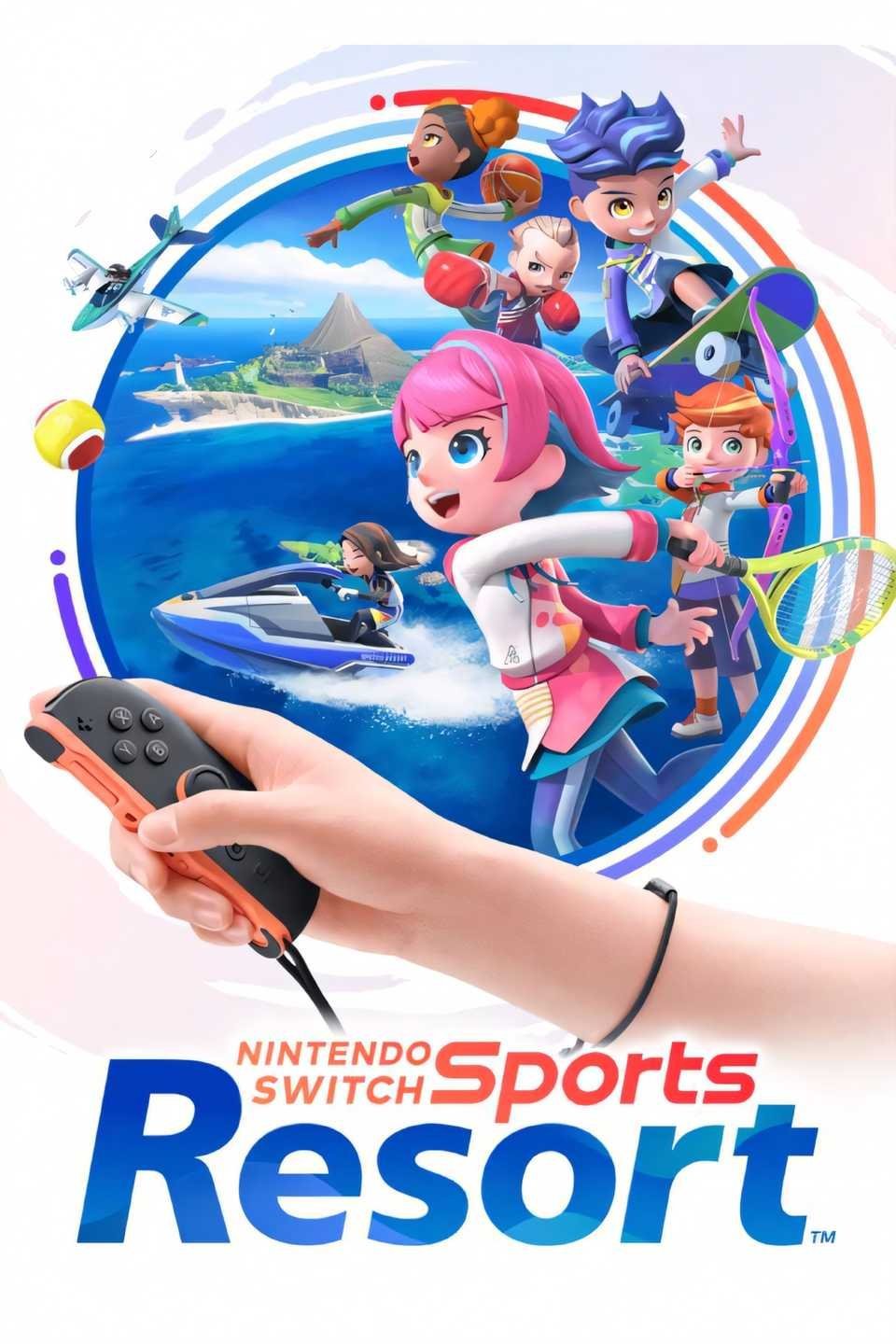
Sportsmates allow mixing and matching clothes and accessories, applying face paint and selecting two-colour hair variations. These customisation choices affect both the character's appearance during play and how they are presented to other players. Each player displays a personalised plate showing their name and a custom title of up to two words, enabling creative self-expression.
Achievements and Island Crown progression also unlock cosmetic rewards. These earned items tend to be colourful, visually distinct and genuinely varied rather than simple palette swaps, making them satisfying to acquire as players improve across different sports.
The shop's limited inventory presents a notable weakness. Weekly rotation means available items change on a schedule, and purchasing everything currently in stock is relatively straightforward. Once players exhaust the available options, they must wait for the store to refresh before spending more currency. This design encourages repeated engagement over weeks but leaves the shop feeling sparse. Additional permanent cosmetics or alternative spending options would have alleviated this constraint and given players more consistent purchasing opportunities.
Overall Assessment
Nintendo Switch Sports Resort succeeds as an entertaining entry in the motion-control sports tradition. While some sports suffer from over-simplification, the overall package offers sufficient variety and depth to maintain engagement. The collection of 13 distinct activities, each with unique control schemes and challenge modes, provides meaningful content for solo play. The experience becomes noticeably more enjoyable when played with friends, whether locally or online, though the single-player offerings include enough achievements and progression systems to justify extended solo sessions. The game released on October 22, 2026 for Nintendo Switch 2.