

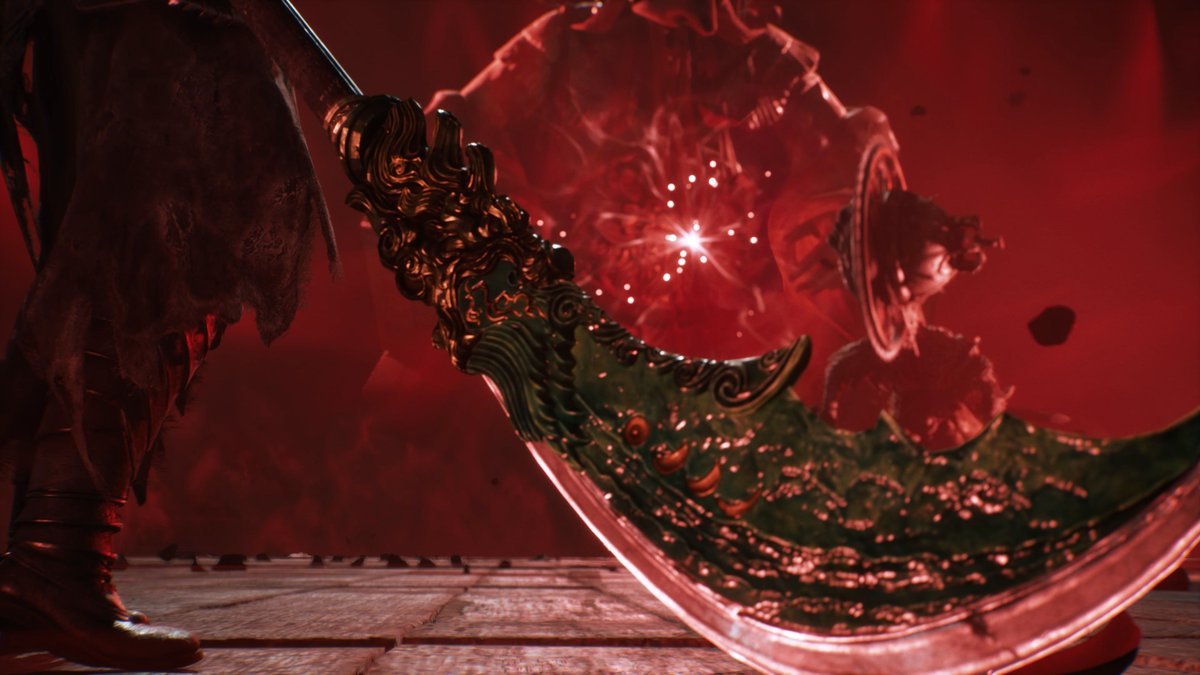
S-Game's long-awaited action game Phantom Blade Zero has finally arrived, and it largely lives up to the hype built since its 2023 reveal. The studio set out to translate the spectacle of Hong Kong martial arts cinema into an interactive experience, and the result is a triumph that combines an engaging narrative, intricate combat mechanics, and a visually stunning world into a cohesive whole.
The story follows Soul, an elite assassin working for a shadowy organization called the Order. After being framed for the murder of his leader and father figure, Soul faces his childhood blood brother Zuo Shang in a final confrontation that leaves him mortally wounded. A mysterious healer saves his life, but at a cost: Soul now has only sixty-six days to live. With his time running out, he must navigate a world of shifting loyalties and uncover the conspiracy that has destroyed everything he knew.
A Story of Depth and Layers
The narrative proves to be one of the game's greatest strengths. Rather than following a straightforward path, the story weaves together multiple storytelling techniques, including slow-burn pacing and interleaved flashbacks that gradually reveal Soul's true nature. What initially appears as a stoic, silent protagonist gradually transforms into a fully realized character with surprising emotional depth. The game uses interactions with key characters and flashback sequences to peel back layers of personality, much like the original God of War did with Kratos or how Resident Evil used Leon S. Kennedy's interactions to develop his character.
The world-building extends far beyond Soul's personal revenge plot. Like a Soulsborne title, numerous narrative threads unravel through exploration and intel collection. The setting draws inspiration from Chinese fiction and fantasy, creating a vast and layered world that feels far more complex than the initial premise suggests. This depth elevates what could have been a simple revenge story into something more ambitious and engaging.
The cast delivers strong performances overall. Jay Masksenuk provides an understated turn as Soul, allowing emotion to surface at precisely the right moments. Donnie Yen appears in a supporting role that makes an impact despite limited screen time. However, the English script suffers from clunky dialogue that occasionally undermines the performances. Additionally, significant portions of the story exist outside the main quest line. Players who rush through the core objectives will miss some of the best narrative moments, and the game doesn't always make it clear that this optional content is worth pursuing. For the perfect ending and full story experience, players need to actively seek out these side elements rather than having them naturally integrated into the main path.
Exploration and Level Design
Phantom Blade Zero occupies a middle ground between linear design and open-world exploration. The game divides its world into eight distinct areas of varying sizes, each featuring interconnected paths, optional routes, and sections that remain inaccessible until specific conditions are met. Players rushing through the main story can complete the game in roughly fifteen hours by taking the most direct route. Those seeking to explore every area and unlock the perfect ending should expect twenty-five to thirty hours of gameplay.
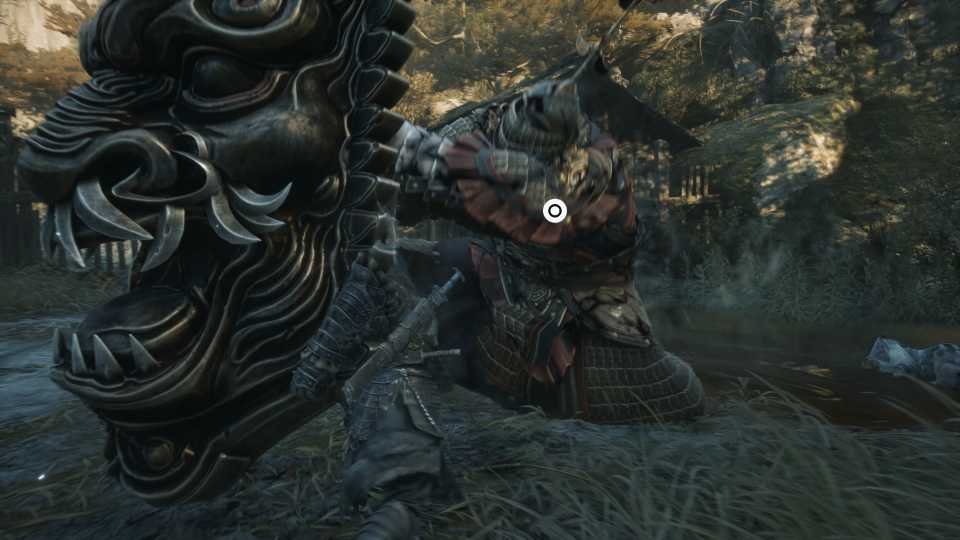
Each region is designed with clarity and flexibility. Players can follow a straightforward path to their objective or spend time exploring every corner and crevice. This design philosophy mirrors the approach seen in Dark Souls and Bloodborne, where the game always guides you toward your goal, but the journey itself remains your choice. Many areas cannot be fully explored on a first visit, as certain locations require specific Phantom Edges or key items to access. This design encourages return trips to previous regions. To make backtracking manageable, enemies do not respawn, allowing players to navigate previously cleared areas without constant combat.
The progression system reinforces this philosophy of experimentation. S-Game deliberately limited the available resources so that players cannot unlock every skill or upgrade every weapon to maximum level. This forces deliberate decision-making about how to build Soul and his arsenal. However, the game allows players to revert any changes and receive full refunds of materials, eliminating the fear of making wrong choices. This smart system rewards thoughtful planning without punishing curiosity or the desire to try different approaches.
Combat That Captures Cinema
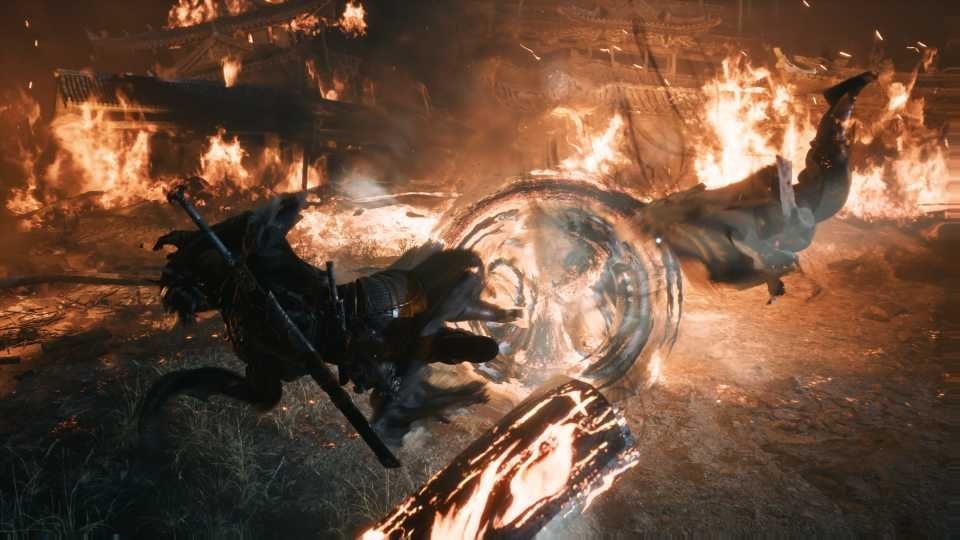
Combat forms the heart of Phantom Blade Zero, and S-Game has succeeded in translating the speed and spectacle of martial arts films into engaging gameplay. The combat system matches the quality bar set by Onimusha: Way of the Sword, which released just a month prior. At its foundation, combat revolves around attacking, defending, blocking, parrying, and dodging. Heavy attacks build a resource called Sha-Chi, which unleashes unblockable moves capable of breaking enemy defenses. Depleting an enemy's stamina bar staggers them, creating openings for attacks. Perfect parries, triggered when an attack flashes blue, and perfect dodges, activated when an attack flashes red, significantly reduce enemy stamina while managing Soul's own stamina pool.
These mechanics combine to create an addictive flow that rewards precision and timing. The satisfying audio feedback of a well-timed parry, the rush of a successful dodge, and the visceral impact of landing a blow all feel earned and deeply rewarding. What elevates the combat further is the weapon variety. Soul can acquire over thirty primary weapons and twenty-five secondary weapons called Phantom Edges, including swords, spears, axes, hammers, cannons, and more. Each weapon features its own moveset, attack rhythm, and special abilities, ensuring that no two weapons feel identical.
Weapon choice involves meaningful tradeoffs. One sword might inflict bleeding and restore health against human enemies but prove ineffective against puppet-type foes. A heavier sword might deal more damage but move slower against faster opponents. This encourages experimentation with the growing arsenal. Phantom Edges add further depth by offering area-of-effect, ranged, or elemental options. The difficulty settings reinforce this experimental approach. The default Pathbreaker difficulty provides a solid challenge without penalizing death. Wayfarer caters to story-focused players, while Hellwalker and the ultimate 66 Days mode challenge skilled players, with the latter featuring permanent death after sixty-six failures. All difficulty settings can be adjusted on the fly, supporting the game's philosophy of encouraging varied playstyles.
Presentation and Technical Performance
Phantom Blade Zero impresses with its visual presentation, which draws heavily from the studio's 2023 reveal. The world drips with atmosphere and attention to detail, bringing Chinese martial arts and folklore to life through impressive technical techniques and artistic direction. The most remarkable aspect of the presentation is the animation and motion capture work. Every weapon swing, traversal animation, and piece of choreography is rendered with superb detail and fluidity. The game may well feature some of the most impressive animation work seen in any game to date.
Performance, however, presents a more mixed picture. On PC, the framerate generally runs smoothly and remains stable. However, certain areas, particularly around the lake region, cause noticeable performance drops. Soul occasionally gets stuck on geometry during stealth sections, and fast travel attempts have triggered crashes in some instances. While none of these issues are game-breaking, and S-Game has been responsive with updates, they do diminish what is otherwise a technically impressive package. These rough edges suggest the game could benefit from additional optimization patches.
The Verdict
Phantom Blade Zero represents a successful realization of S-Game's ambitious vision. The studio promised an epic journey through a world of "kungfupunk," a blend of traditional martial arts with modern machinery inspired by Hong Kong's golden age of action cinema, and the final product exceeds those expectations. The game delivers a fantastic story anchored by a compelling protagonist, intricate world-building that rewards exploration, and deep gameplay systems that encourage experimentation. Combat feels fast, deadly, and rewarding, transforming simple mechanics into a system that demands both tactical thinking and quick reflexes. The presentation is gorgeous, anchored by animation work that stands among the finest in the medium. While clunky dialogue and the ease of missing important story content represent genuine drawbacks, and performance issues need addressing, these flaws do not diminish what is ultimately an excellent new IP that meets and surpasses expectations.