

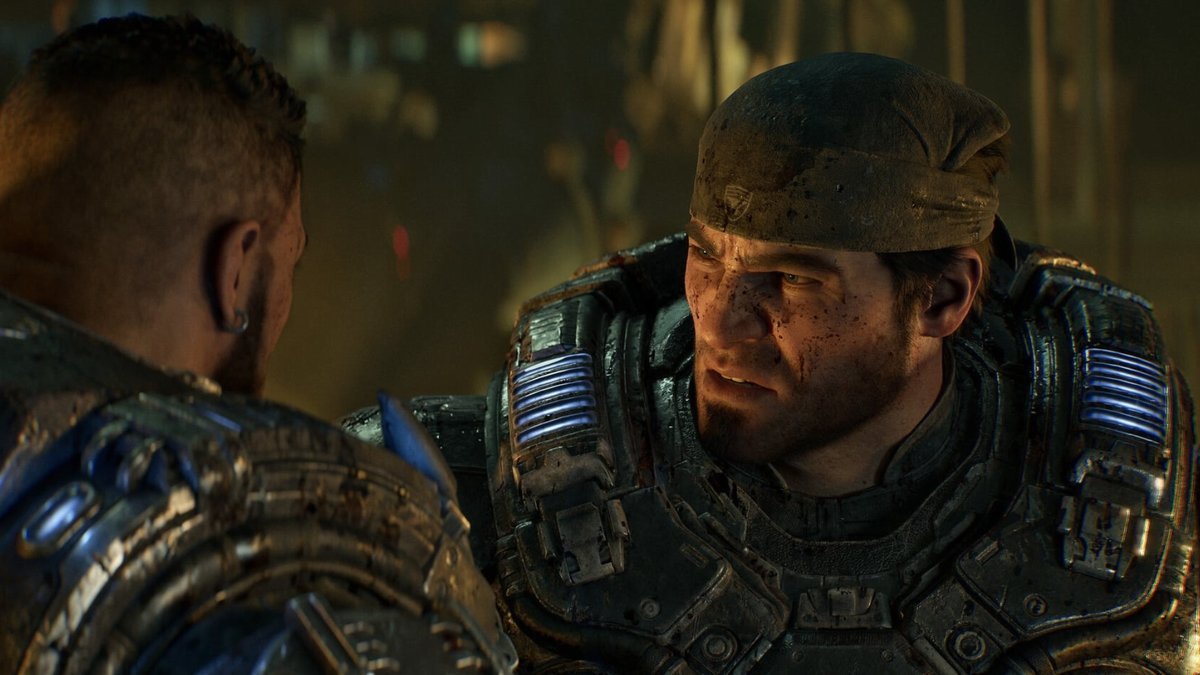
Gears of War: E-Day has arrived to strong critical reception, marking a full-circle moment for a franchise celebrating its 20th anniversary. The prequel puts players back in the boots of younger versions of Marcus Felix and Dom Santiago, exploring their relationship during humanity's first encounter with the Locust—a story that has loomed over the entire series but never been playable until now.
The decision to return to this pivotal moment rather than push forward from Gears 5's cliffhanger reflects a shift in creative priorities. When Gears 5 concluded, the world had changed: the pandemic had struck, and Unreal Engine 5 had just launched. Developers saw an opportunity to step back and reconsider the franchise's direction. A key realization emerged during this moment of clarity: the series had become difficult for new players to enter. With so much accumulated story and so many sequels, potential fans were struggling to engage with the narrative.
Accessibility Through Prequel Storytelling
The solution was to open a door for everyone. E-Day offered a chance for players to experience Marcus and Dom's story without needing to have played through five previous mainline games and multiple spinoffs. While audiences may have heard about these characters or seen them in action, few had the opportunity to actually inhabit their younger selves during the catastrophic event that defines the entire Gears universe. The developers recognized that Emergence Day—the day the Locust emerged from underground and began their invasion—is the foundation upon which all of Gears revolves, yet it had never been told in the same playable, narrative-driven way as the numbered entries.
Unreal Engine 5 proved essential to realizing this vision. The new technology allowed the team to tell the story visually in ways they had always imagined but never before achieved. This technological leap gave them the confidence that now was the right moment to revisit this origin tale.
Balancing Youth With Veteran Experience
One of the central challenges was depicting Marcus and Dom as younger men while maintaining their credibility as soldiers. Both had recently completed service in the Pendulum Wars, including an operation called Leveler, giving them only six weeks of peace before E-Day erupted. They were already grizzled and experienced, having enlisted voluntarily and been shaped by the COG military structure and the 26th RTI.
The developers needed to strike a balance: these characters had to feel like they still had much to learn, yet they could not be portrayed as inexperienced rookies. The solution was to establish the complexity of their relationship and focus on the origin of their brotherhood rather than the origin of their friendship. Marcus and Dom had known each other since childhood, but E-Day would forge something deeper between them.
A crucial narrative element shaped this dynamic: the absence of Carlos, their third companion. This was the first time Marcus and Dom existed in a world without him, and that loss became central to understanding their bond. In the game's prologue, Marcus struggles to communicate with Dom, while Dom tries to draw him out. The developers spent the campaign deconstructing these character archetypes, using mission design to create moments where Dom could express his feelings to other squad members and where Marcus could open up about his grief over Carlos's death.
The Weight of Carlos's Legacy
Carlos's death and his final words to Marcus take on profound significance. The way Carlos died and what he asked Marcus to do become the driving force behind Marcus's determination to protect Dom. This transforms the narrative from a simple story of saving humanity into something more personal: Marcus is fighting to keep Dom alive because Dom is his brother, because everything else has been taken away, and this is what matters.
The developers created split-path missions that allowed players to discover how Carlos died and what his final moments meant. This revelation deepens the connection to both young Marcus and young Dom, showing how their relationship evolved under the pressure of catastrophe.
Escalating Difficulty and Narrative Tension
The game's aggressive difficulty and relentless enemy encounters serve both mechanical and narrative purposes. Players accustomed to previous Gears titles had developed a formula: they knew where enemies would come from, how to position themselves, and how to exploit flanking opportunities. E-Day deliberately breaks this complacency by introducing verticality, varied cover heights, and aggressive artificial intelligence that makes the Locust feel like genuine threats rather than predictable obstacles.
This design choice reflects the narrative reality: Marcus and Dom are encountering creatures they have never faced before, monsters that came from beneath the earth with the explicit goal of exterminating humanity. The developers made a conscious decision to ensure these enemies felt like genuine killers, not obstacles to be easily overcome. Players had to earn the moment when they became skilled enough to take down the Locust—either through superior weapons or developed combat mastery.
Narratively, the Marcus and Dom of E-Day are not the same hardened soldiers who appear in the original Gears of War, which takes place 14 years later. The tension of a worldwide invasion by previously unknown creatures creates an onslaught from beginning to end. The developers wanted to honor the horror stories told throughout the series about E-Day, capturing the sentiment that "the lucky ones died on E-Day."
Expanding the Cast and Squad Dynamics
While Marcus and Dom remain central, the developers created a full supporting cast with proper character arcs. Lucas serves as a rookie, while Max represents a veteran perspective. Both are from the city of Kalona, providing context that Marcus and Dom lack since they arrived only for Carlos's memorial. Rather than serving as mere side characters, each member of the squad has a real purpose and contributes to the player's understanding of the world.
The relationship between Marcus and Dom remains distant and tense throughout the early hours and first few days of E-Day. They do not discuss what happened to Carlos or what Marcus witnessed that Dom did not. The presence of Max and Lucas acts as a mirror to this dynamic. Marcus can open up to Max, a veteran who has experienced loss and understands the cost of war, in ways he cannot with Dom due to their tension. He also cannot have certain conversations with Lucas because the rookie is experiencing combat for the first time, and a sergeant would not discuss such matters with a cadet.
The Franchise's Core Philosophy
Gears has always centered on squad dynamics and brotherhood. Whether through couch co-op, encounters with other soldiers, or the recurring Carmine family members, the series emphasizes that these stories emerge from the people around the protagonists. Understanding who Marcus and Dom become requires understanding the people who shaped them.
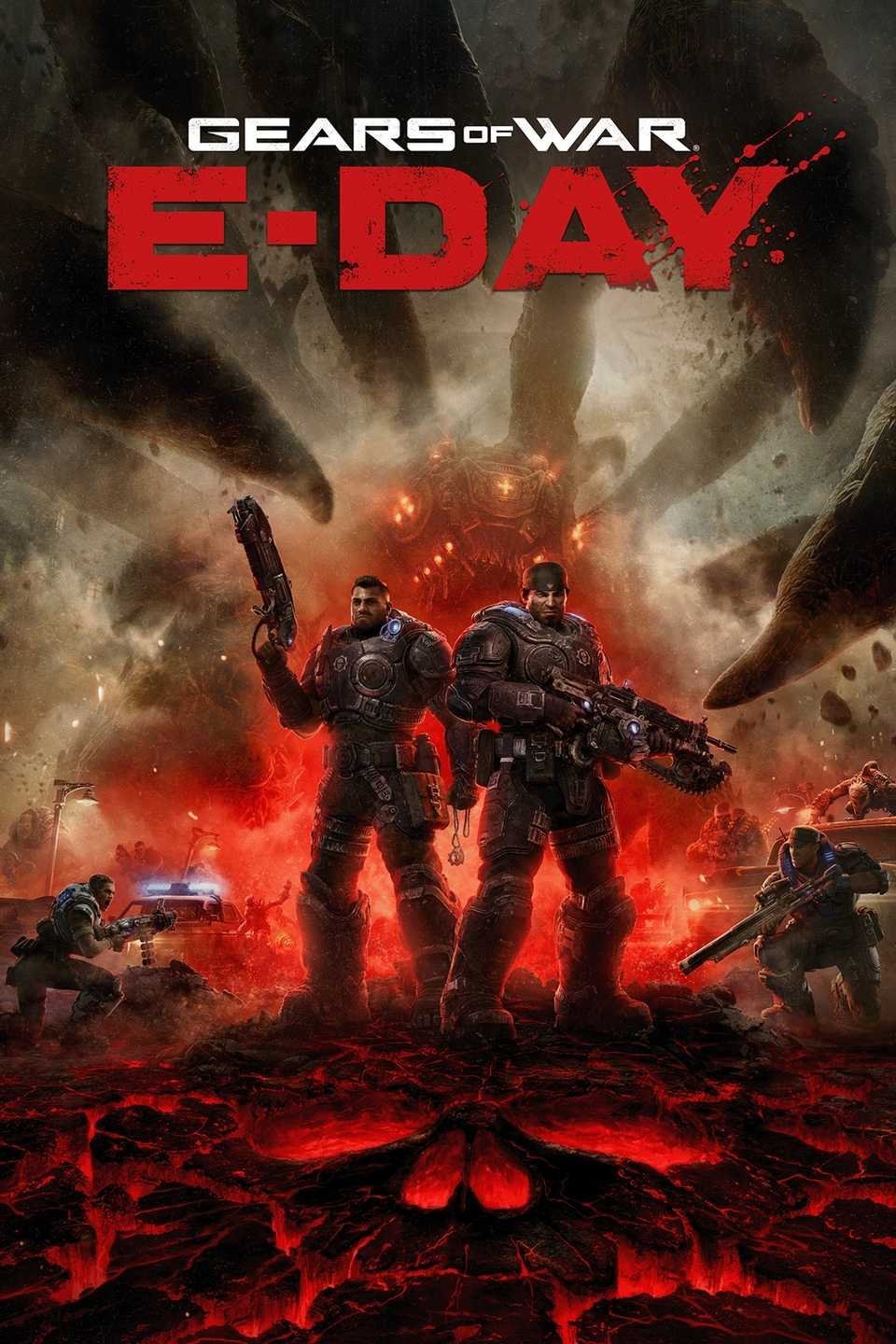
The developers noted that many players approach Gears with the impression that it is simply about large men wielding guns and chainsaws. The moment these players discover the depth of character, world-building, and lore beneath the surface often surprises them. This realization has been a standout moment for the development team throughout the franchise's history.
One particularly memorable scene from Gears 2 exemplifies this philosophy: at a fork in the road, Dom insists on detouring to find his wife Maria, while Marcus argues they must follow orders and reach the Nexus to stop the Locust threat. This moment crystallizes Dom's loyalty to Marcus throughout their journey. Marcus has consistently supported Dom's personal goals, and now Marcus chooses to reciprocate, choosing brotherhood over military protocol.
Looking Forward
As the franchise enters its third decade, the developers remain committed to telling stories about what it means not to fight alone. The tagline "Never Fight Alone" encapsulates this philosophy, which has been core to Gears for 20 years. The developers grew up playing Gears cooperatively, and that dual effort remains fundamental to the franchise's identity. Moving forward, they intend to continue exploring what it means to have someone's back, deepening the bonds between characters and players alike.