

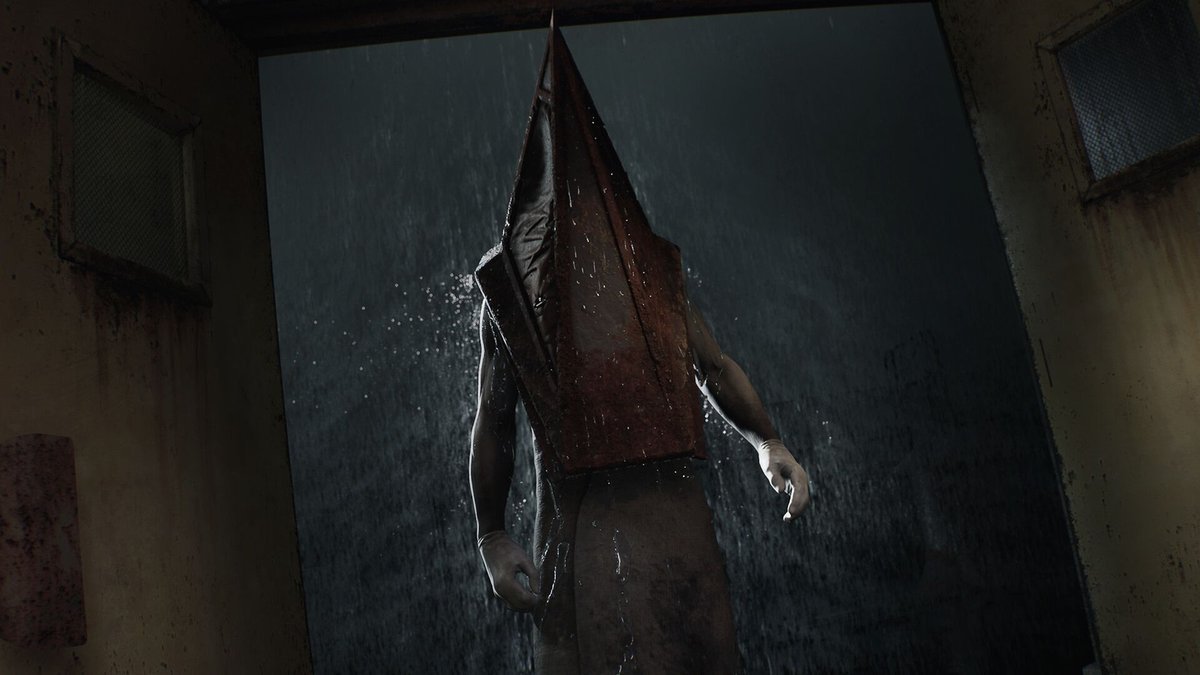
Konami intends to sustain the Silent Hill revival well into the future, with producer Motoi Okamoto confirming that multiple additional games are in the pipeline beyond the three titles released in recent years. The publisher plans what it describes as a "second wave" and "third wave" of new Silent Hill projects, though specific details remain under wraps for now.
Okamoto discussed the company's long-term strategy for the franchise in a recent interview, explaining that Konami feels relieved by how the market has responded to Silent Hill 2 Remake, Silent Hill f, and Silent Hill: Townfall. All three games achieved successful launches and garnered strong critical praise, meeting the publisher's expectations on both fronts. The positive reception to this initial trio of releases has given Konami confidence to expand its plans significantly.
Waves of Planned Releases
The producer emphasized that the three games released so far represent only the opening chapter of Konami's revival strategy. He stated that the company is actively developing multiple projects for future waves, though he declined to share concrete information about what those games might be or when they could arrive. Okamoto stressed that successfully launching the first wave was a major milestone, but the publisher views this as a beginning rather than an endpoint for the series' resurgence.
The cautious optimism from Konami's leadership reflects how dramatically the company's approach to Silent Hill has shifted. Okamoto revealed that convincing Konami's executives to greenlight new entries in the franchise proved difficult, particularly following the cancellation of Hideo Kojima's Silent Hills in 2015. That project's failure left the series dormant for years, and reviving it required careful persuasion from within the company.
Building Momentum Through Multiple Releases
Okamoto explained his reasoning for pushing multiple games rather than a single release. He believed that launching just one remake would have sent the wrong message to players and industry observers, potentially suggesting that development might be cancelled again. By securing approval for multiple titles across different developers and styles, Okamoto aimed to demonstrate Konami's genuine commitment to the franchise's long-term future. This strategy appears to have paid off, given the critical and commercial success of the three releases.
One confirmed project that falls within Konami's broader plans is Bloober Team's remake of the original 1999 Silent Hill game. The studio previously developed the well-received Silent Hill 2 Remake and will now tackle the first entry in the series. Remaking the original presents a distinct creative challenge compared to the sequel, given the simpler narrative structure of the 1999 game. How Bloober Team adapts its approach to this earlier, more straightforward story remains to be seen.
Developer Involvement and Future Prospects
The status of other developers involved in recent Silent Hill projects remains unclear. NeoBards Entertainment, which created Silent Hill f, and Screen Burn Interactive, which developed Silent Hill: Townfall, have not yet confirmed whether they will return to work on additional entries in the series. Both studios received positive recognition for their contributions to the franchise's revival, with critics praising Silent Hill f as a genuine return to form for the series and commending Screen Burn's understanding of what makes a Silent Hill game effective.
Konami's commitment to multiple waves of releases suggests the publisher views Silent Hill as a cornerstone franchise worth sustained investment. The company's willingness to work with different development studios and pursue varied approaches to the horror genre indicates a strategy focused on keeping the series fresh while maintaining its core identity. With two additional waves already in development, players can expect a steady stream of new Silent Hill content over the coming years, though the exact timeline and nature of those projects remain to be announced.